Profile
The Solar Decathlon
What do you get when you take a team of enthusiastic, hardworking, idealistic undergraduates, pair them with a group of innovative, knowledgeable, tireless faculty and put them all to work on a project that changes thousands (if not millions!) of people’s minds about alternative energy? You get a bunch of winners, that’s what!
In both 2007 and 2009, Santa Clara University competed and took third place overall in the Solar Decathlon—a biennial competition sponsored by the U.S. Department of Energy uniting twenty teams of college students to design, construct, and operate the most energy efficient, functional, and attractive solar-powered home.
History
Setting the Standard for Sustainability
In the 1960s and 1970s, Santa Clara not only addressed the growing opportunities in entrepreneurship, but also the need for solving societal challenges in a sustainable manner.
![]() |
| Dick Pefley and students. Photo from the Archives of SCU. |
During the energy crisis of the 1970s, for instance, Santa Clara engineering faculty introduced new courses in energy generation and management. Professor Dick Pefley and students pioneered landmark research in alternative fuels, igniting a passion for energy engineering that has continued over the years.
![]() |
| Terry Shoup. Photo from the Archives of SCU. |
Terry Shoup took over as dean in 1989. He helped the School address the emerging field of sustainability by introducing a certificate program in Environmental Engineering in 1993. In addition, Shoup oversaw the initiation of an outreach program for high school students (1989), the introduction of the Engineering Study Abroad program (1990), the construction of the Civil Engineering Strength and Materials Lab (1995), and the creation of the Mission Control Center in 2000.
![]() |
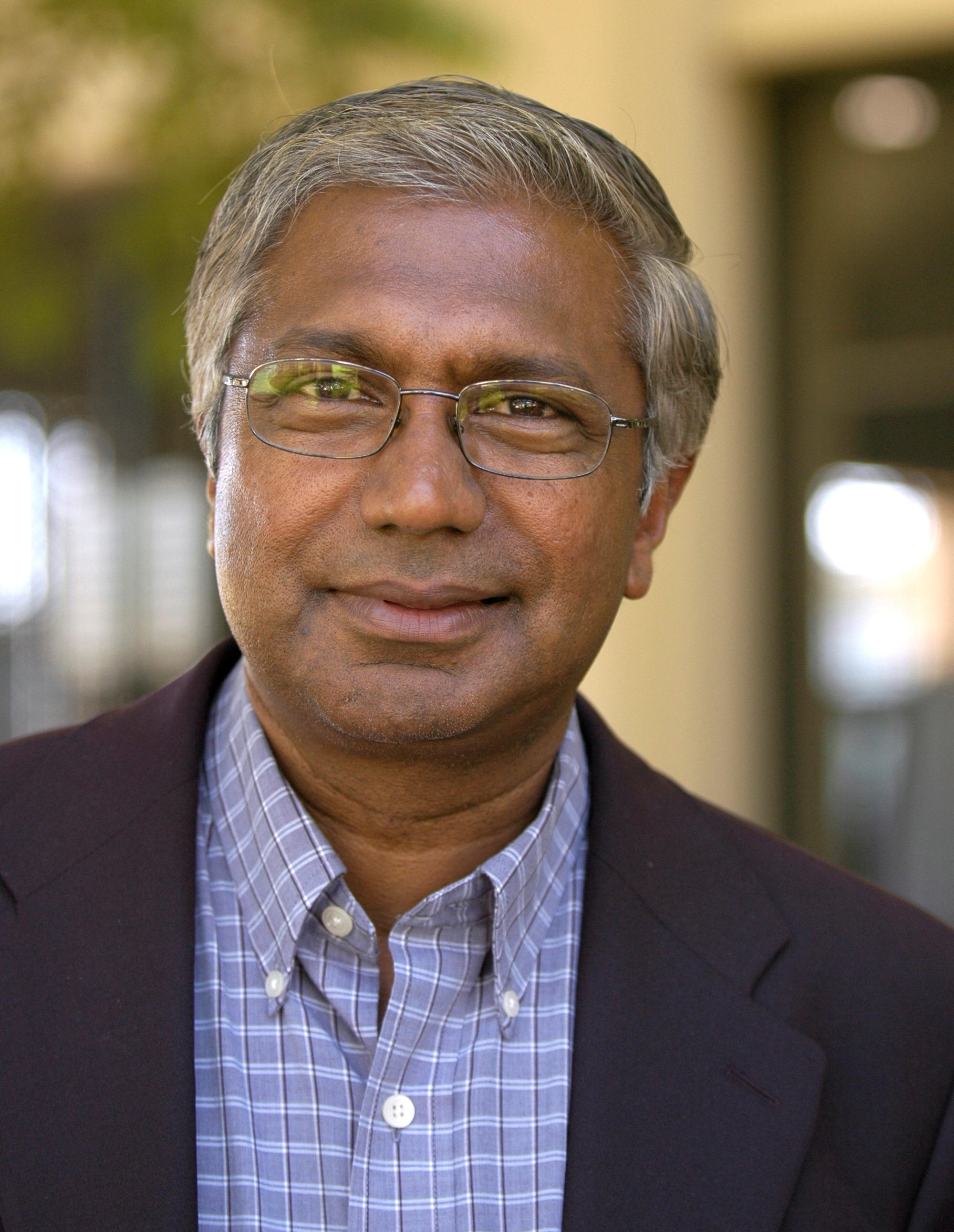
| Daniel Pitt. |
When Daniel Pitt took over as Dean in 2003, he helped continue the School of Engineering's focus on sustainability by putting in a bid for Santa Clara to enter the U.S. Department of Energy's 2007 Solar Decathlon. Although the proposal was initially unsuccessful, with SCU placing 21st on the list of 20 accepted entrants, a few months later Santa Clara was invited to join the competition after CalPoly dropped out. Bronco engineers were thus launched on two years of intense work to design, construct, and operate the most energy efficient, functional, and attractive solar-powered home for the international event.