Bioengineers create smart, efficient, and cost-effective approaches to diagnose and treat human disease.
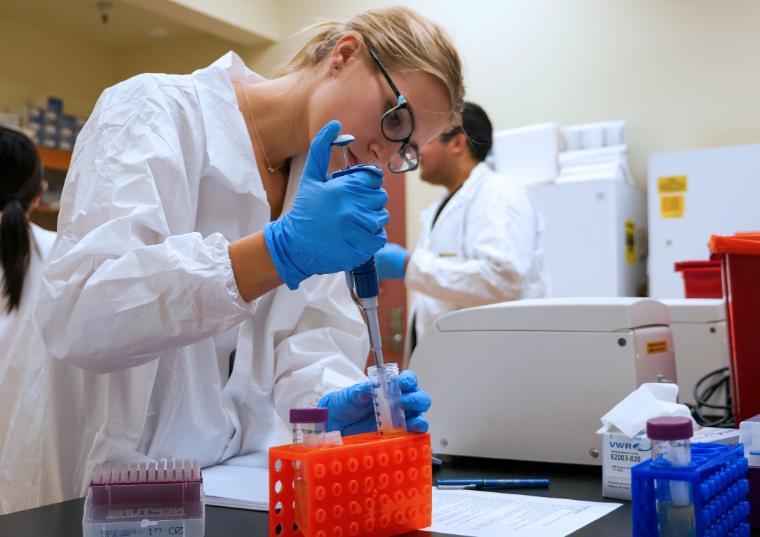
From developing miniaturized and implantable microfluidic devices and imaging technologies for disease diagnosis, to researching how to fight "superbugs" that have become immune to antibiotics, our faculty and staff are at the forefront of bioengineering. Work side-by-side with us in our research labs to gain hands-on experience and help uncover solutions to the world’s pressing concerns.
Our undergraduate program offers three tracks—Biomolecular, Pre-Med, and Medical Device—that prepare you for a wide array of careers in Silicon Valley and beyond. Stay an extra year to earn an accelerated B.S./M.S. degree or pursue advanced studies in medical devices/bioinstrumentation and molecular and cellular bioengineering through our graduate programs.
Research Spotlight
National Science Foundation Award
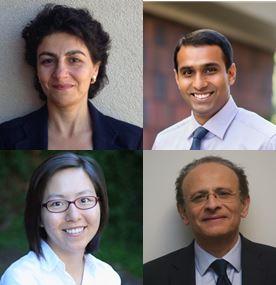
Maryam Mobed-Miremadi and Co-PIs Prashanth Asuri and Ashley Kim from the Bioengineering Department along with Co-PI Aria Amirbahman with the Civil Engineering Department have received a $331,771 award from the National Science Foundation.
Faculty Spotlight
Award for Teaching Excellence
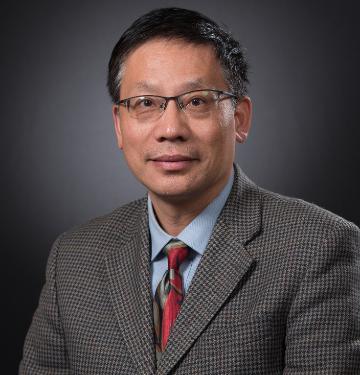
Congratulations, Dr. Bill Lu for receiving this year's School of Engineering Award for Teaching Excellence. Dr. Lu has made significant contributions to the development of new bioengineering curricula, and students consistently praise him for his dedication, inspirational teaching style, and willingness to provide support. Read More
Alumni Spotlight
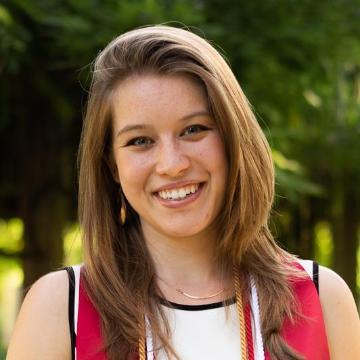
Delaney Gray '19
Since graduating, SCU has helped me to land both my first job at a National Laboratory and get into a top tier Biomedical Engineering Ph.D. program at Boston University. Read more
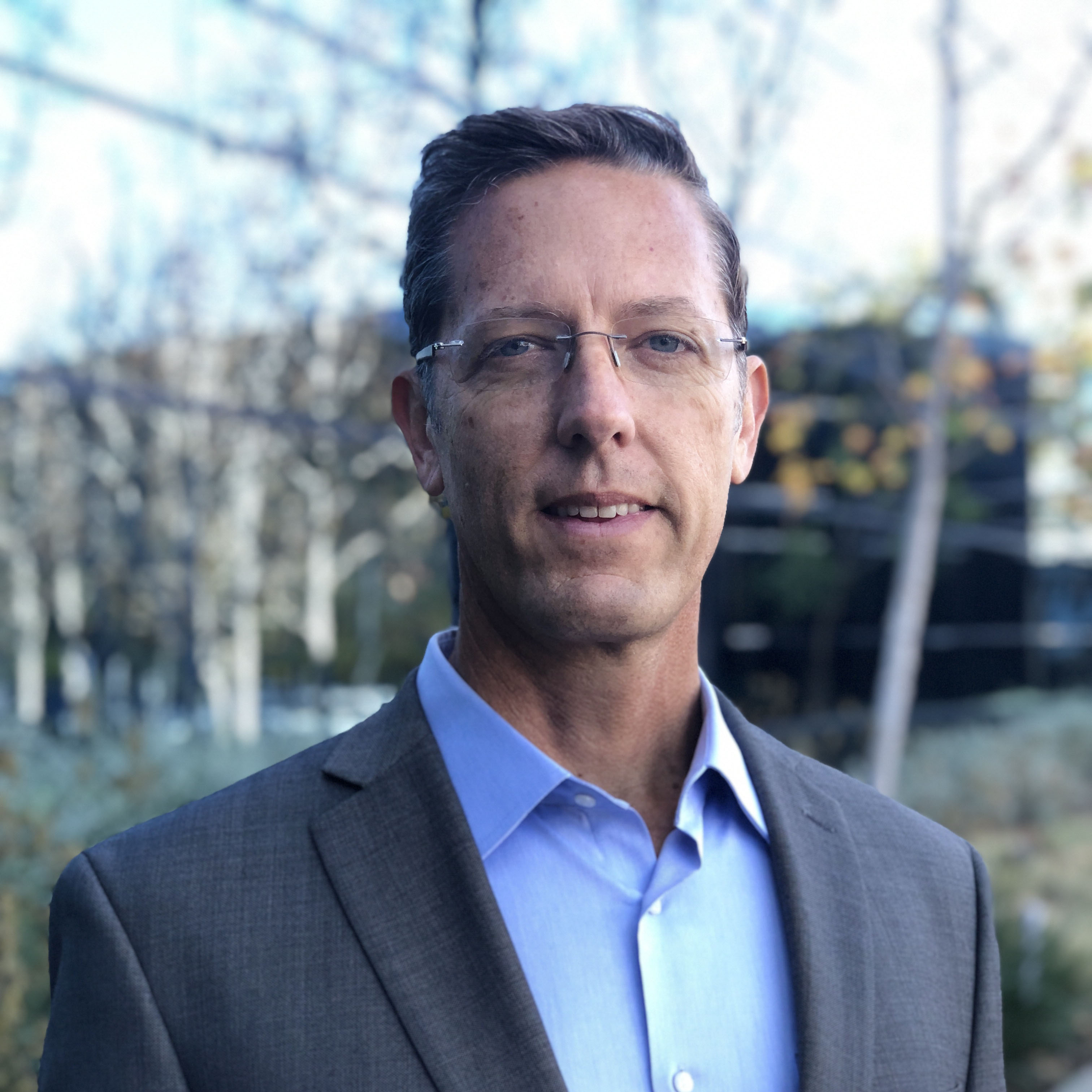
"Being a lecturer in the program, advisor to the program, and employer of SCU interns and graduates over many years has given me a unique perspective to the students, graduates, faculty, and university. Santa Clara University (SCU) Bioengineering students are well suited for industry internships and graduates of the program successfully transition into the medical technology and devices industries. In addition to engineering fundamentals, core skills that SCU Bioengineering students learn include CAD, prototyping, introduction to quality and regulatory systems, testing, and biomaterials. Major employers of graduates in the medical device segment for which I am involved include Abbott, Boston Scientific, Intuitive Surgical, Medtronic, Penumbra, and Stryker."