Accounting
The SCU accounting program is an eminent leader of accounting education and research in California’s Silicon Valley. Our undergraduate program is ranked #2 in the nation by Poets & Quants (based on median earnings of recent graduates); #8 by LinkedIn (based on the success of our graduates), #18 by Accounting-Degree.org (based on student outcomes statistics), #21 by Niche.com (based on key statistics and student reviews), and #44 by U.S. News and World Report (based on a national survey of college officials). We are the sole AACSB-accredited accounting program in Northern California.
About Our Program
We emphasize small class sizes, faculty mentorship, and significant opportunities for interactions with alums and professionals in all stages of your academic career.
About our Undergraduate Majors

Learn about our Accounting Major, which develops your ability to create, interpret, and analyze financial information for business decisions and prepares you for CPA certification.
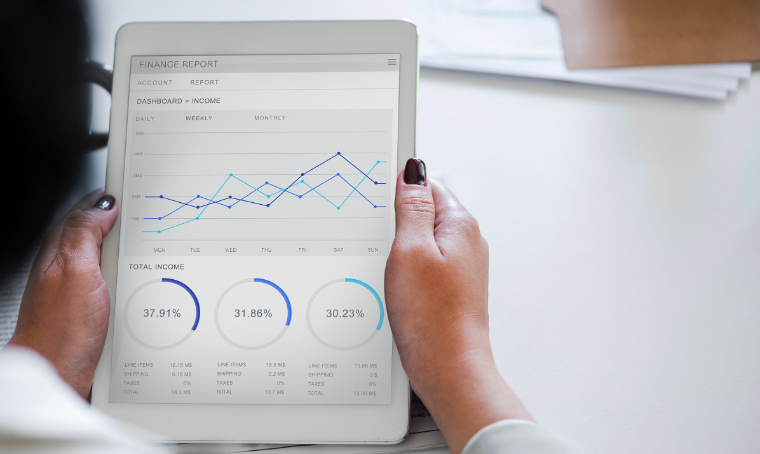
With the A&IS STEM designated major, you will take all courses required for both an accounting major and an information systems major. Highly sought after, A&IS specialists bridge IT and accounting/finance functions. A terrific combination!
About our Post-Graduate Certification Programs
Certificate of Advanced Accounting Proficiency (CAAP)
CAAP is designed to help individuals without an accounting background gain all of the skills they need to shift into an accounting career. The CAAP program is comprised of several undergraduate-level courses, professional development workshops, and networking events to help you through the recruiting process so you can start your accounting career right after graduation. *Please note, the CAAP program is undergoing a program redesign and will be on hiatus after the completion of the 2022 Weekend cohort in June of 2023. Please visit our site to sign up for our email directory to stay up to date on announcements regarding the hiatus and future cohort openings.
If you have any questions regarding accounting department programs and events, please contact the following individuals:
Accounting Association Inquiries
SCU Accounting Association
Email: SCUAA@scu.edu
Undergraduate Accounting Program Admission Inquiries
Jo-Anne Shibles
Email: jshibles@scu.edu
CAAP Program Inquiries
Email: CAAP@scu.edu
Center for Accounting Research and Education
Dr. Michael Calegari
Email: mcalegari@scu.edu
Scholarship Inquiries
CARE Program Manager
Email: actg-care@scu.edu
Accounting Seminar Series Inquiries
Dr. Yongtae Kim
Email: y1kim@scu.edu
CPA Exam Inquiries
Dr. Susan Parker
Email: sparker@scu.edu
All Other Inquiries
Accounting Academic Department Manager
Email: accounting@scu.edu
Accounting Faculty
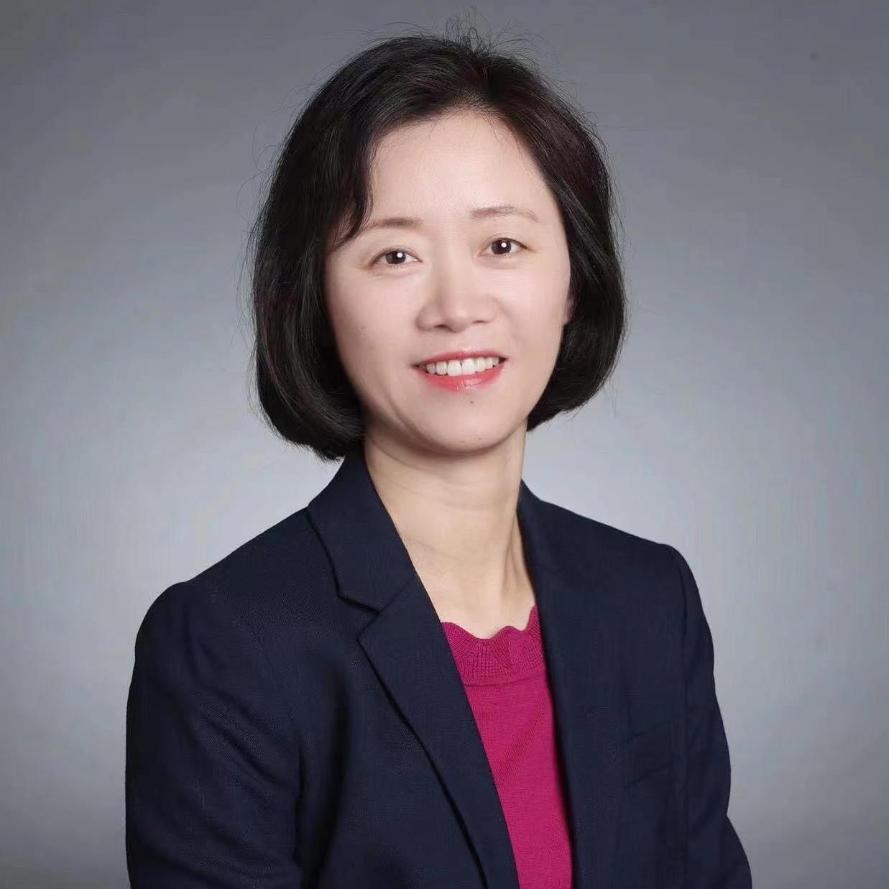
DEPARTMENT CHAIR, PROFESSOR OF ACCOUNTING
Siqi Li
PROFESSOR, CARE DIRECTOR
Michael Calegari
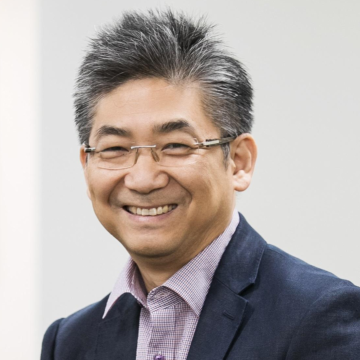
PROFESSOR OF ACCOUNTING
Yongtae Kim
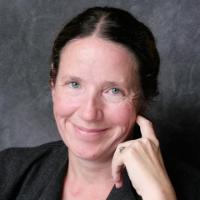
PROFESSOR OF ACCOUNTING
Susan Parker
Beyond the Classroom
Get involved outside of the classroom!
The Accounting Department offers students opportunities to interact with business professionals as well as merit-based awards and scholarships for their academic achievements. Check out our Beyond the classroom page.
Current students in the Leavey School of Business created this Q&A video to share their experiences and to get the Class of 2024 excited about a possible future at Santa Clara University!
Want to learn more about out Student Ambassadors?
View their Bio's
Read the Ambassadors Program Blogs
Explore additional offerings in the Leavey School of Business
Leavey Campus Community
Accounting Program News and Events
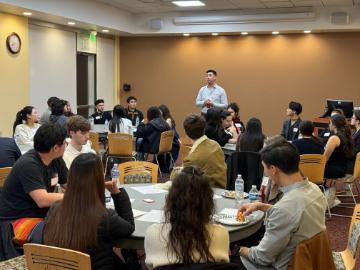
On February 22, 2024, the SCU Accounting Association and Young Alumni Board held a “Meet the Alumni” pizza social event in the Benson Parlors BC for the Accounting and A&IS majors. 53 students attended.
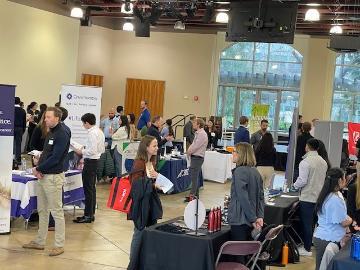
On January 31, 2024, 43 students met with representatives from 20 firms and a professional auditing society at SCU’s annual Winter Accounting/A&IS Career Fair.
Follow Us On Social Media


YouTube